


 431 / 912

Chapter 12 423
Copyright © 2017 Pearson Education, Inc.
HCl
Cl
•
+
propagation
CH
3
CH
3
+
CH
3
CH
2
•
CH
3
CH
2
Cl
CH
3
COCl
CH
3
CH
3
+
+
CH
3
CH
2
•
CH
3
CO
CH
3
CH
3
•
This species enters the first propagation cycle.
termination
CH
3
CH
2
CH
2
CH
3
+
CH
3
CH
2
•
CH
3
CH
2
Cl
Cl
•
+
CH
3
CH
2
+
CH
3
CO
CH
3
CH
3
•
CH
3
CO
CH
3
CH
3
•
CH
3
CO
CH
3
CH
3
OCCH
3
CH
3
CH
3
+
CH
3
CO
CH
3
CH
3
•
Cl
•
CH
3
COCl
CH
3
CH
3
CH
3
CO
CH
3
CH
3
•
+
CH
3
CH
2
•
CH
3
COCH
2
CH
3
CH
3
CH
3
Cl
•
Cl
•
Cl
2
CH
3
CH
2
•
+
•
b.
∆
H
°
=
bonds broken
-
bonds formed
Let
x
=
the bond dissociation enthalpy of the O
¬
Cl bond.
-
42 kcal
>
mol
=
3
101 kcal
>
mol
+
x
kcal
>
mol
4
-
3
85 kcal
>
mol
+
105 kcal
>
mol
4
-
143 kcal
>
mol
=
x
kcal
>
mol
-
190 kcal
>
mol
x
=
47 kcal
>
mol
42.
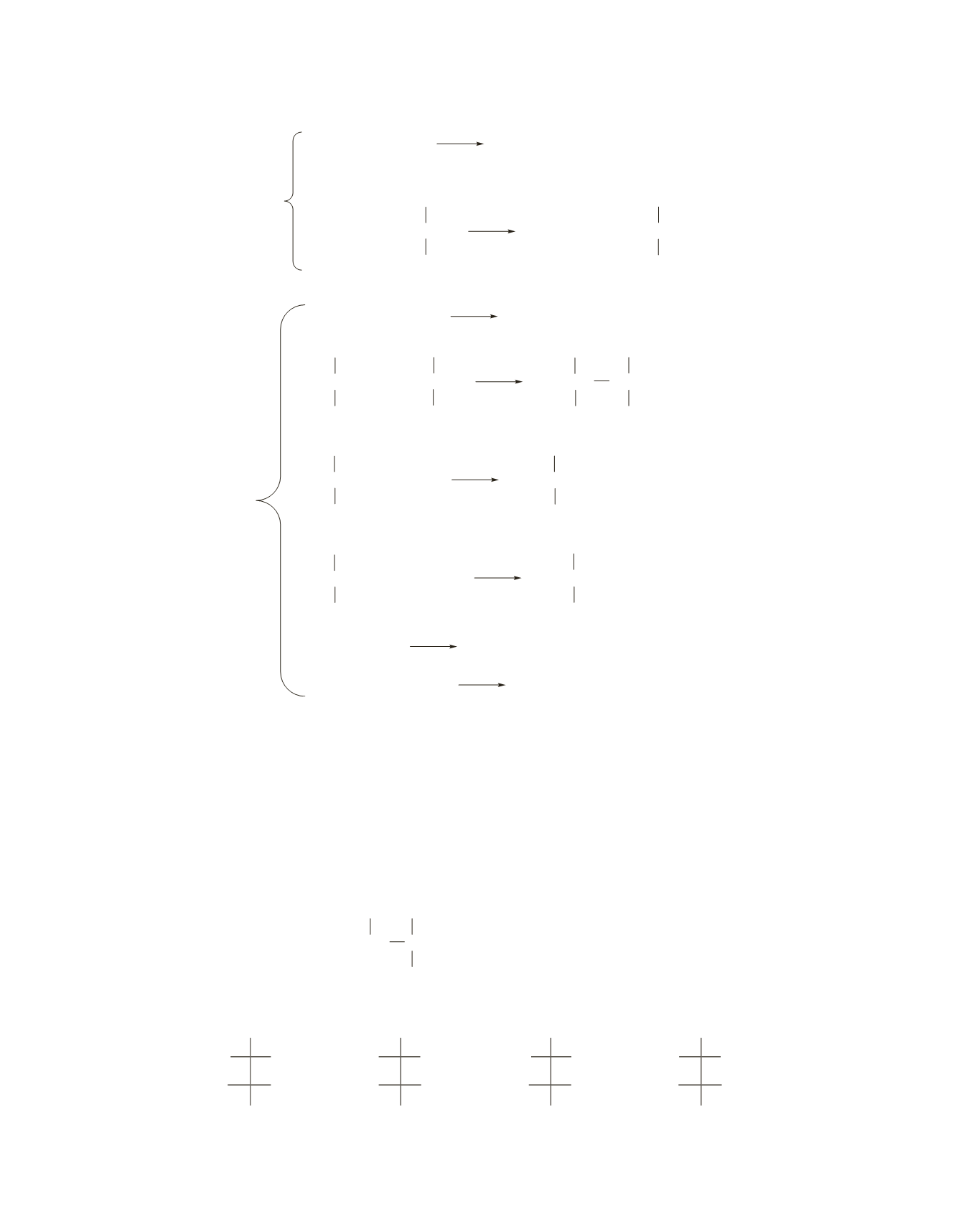
The reaction forms a product with two new asymmetric centers.
CH
3
CH
2
CH CCH
2
CH
3
CH
3
CH
3
Br
Because the reaction involves both syn and anti addition, four stereoisomers are obtained.
CH
2
CH
3
CH
2
CH
3
CH
3
CH
3
H
Br
CH
2
CH
3
CH
2
CH
3
CH
3
CH
3
H
Br
CH
2
CH
3
CH
2
CH
3
H
CH
3
CH
3
Br
CH
2
CH
3
CH
2
CH
3
H
CH
3
CH
3
Br